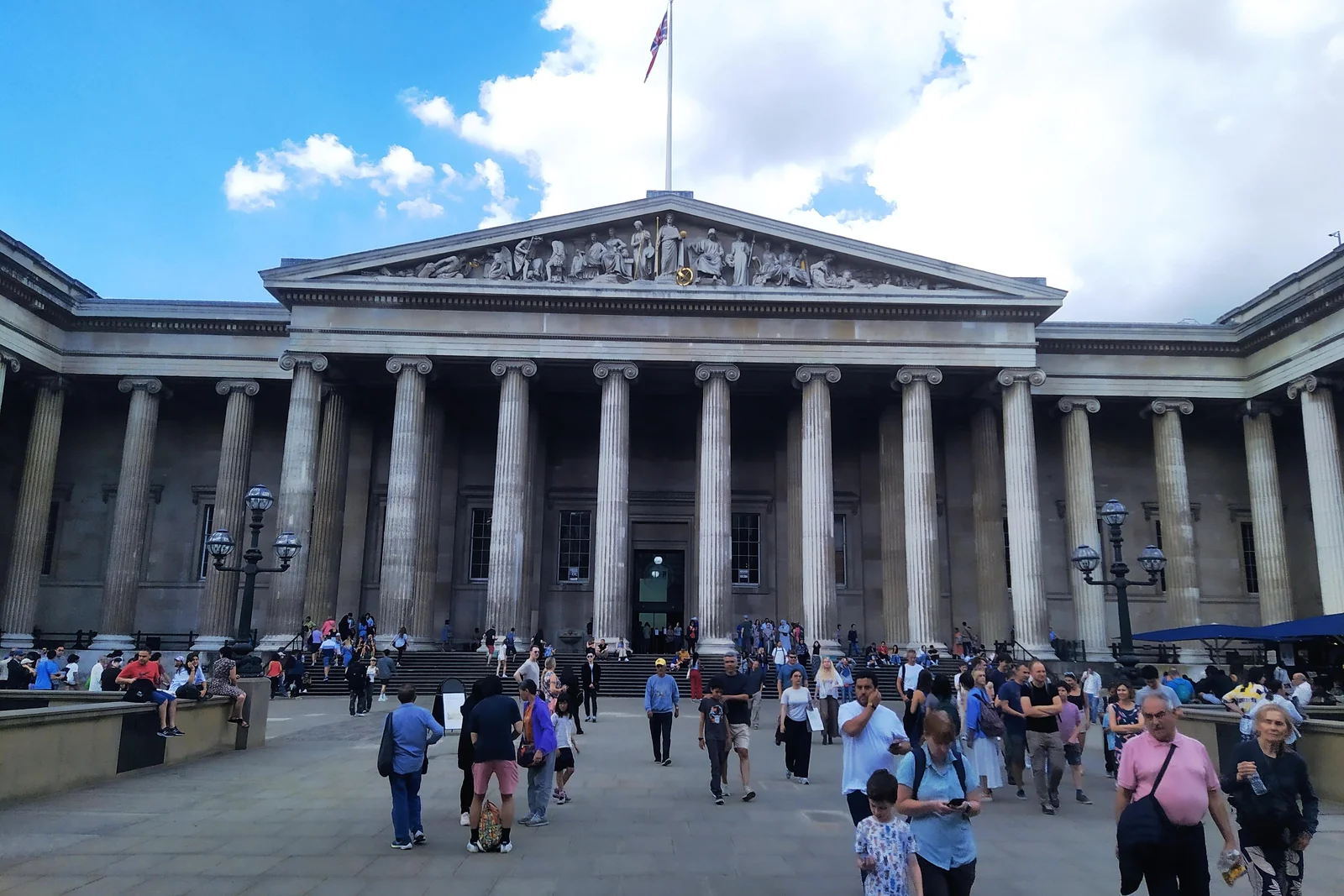
The highlights you came to see
The works are listed in the optimized route order. We recommend following the indicated sequence to minimize walking.
1 · 10 min
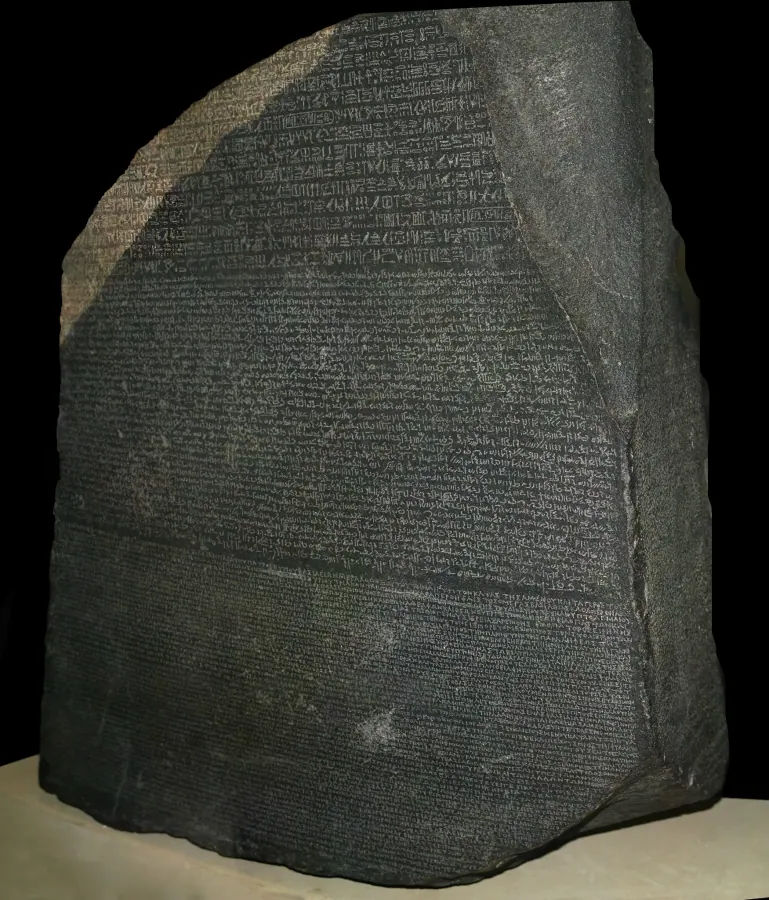
The Rosetta Stone
Room 4, Ground floor
The Rosetta Stone makes a powerful opening because one object carries three writing systems—hieroglyphic, Demotic and Greek—and because its later study transformed the modern understanding of ancient Egypt. It also makes the Museum's collecting history impossible to ignore: the stone was found at Rashid in 1799, transferred to Britain after the French surrender in Egypt, and has remained a subject of discussion about cultural heritage and return.
2 · 10 min
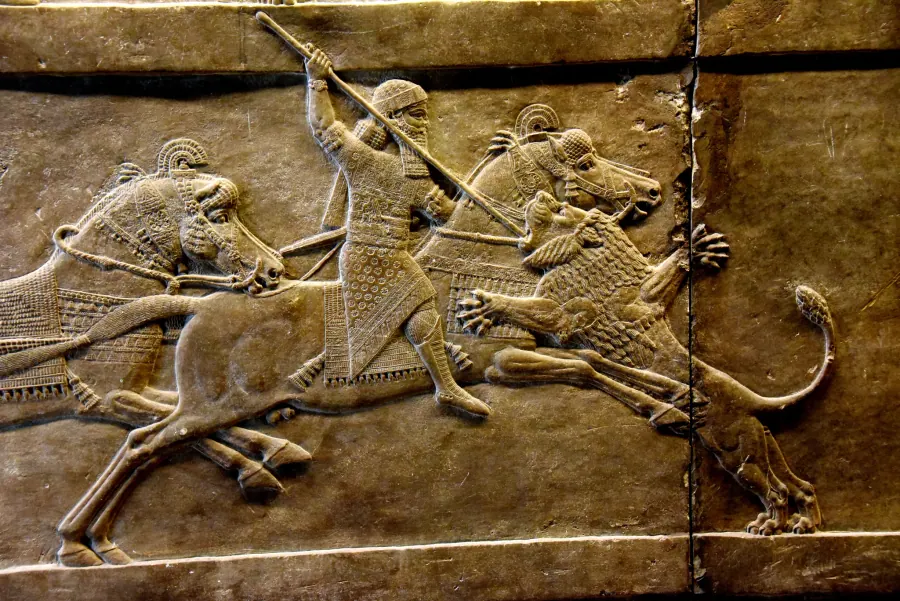
Assurbanipal Lion Hunt Reliefs
Room 10a, Ground floor
These reliefs turn royal violence into a demanding visual narrative. Made for the North Palace of Ashurbanipal at Nineveh, they present the king's hunt as proof that he can impose order on a dangerous world, while the sculptor's close attention to wounded animals makes the scene harder to reduce to triumph alone.
3 · 10 min
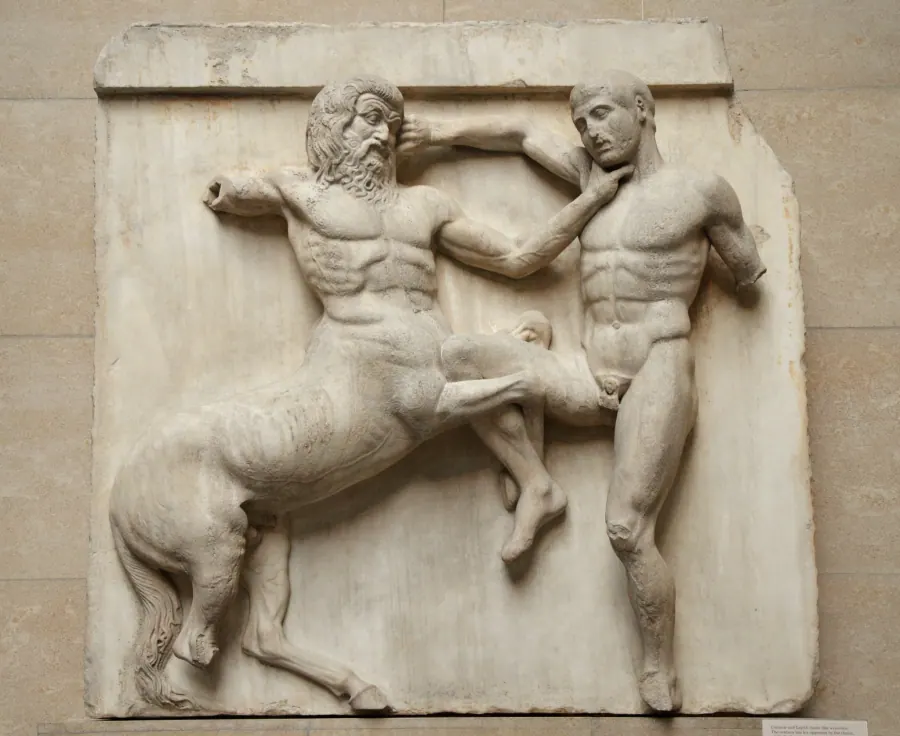
Parthenon Sculptures
Room 18, Ground floor
The Parthenon Sculptures make architecture feel bodily. Carved for a temple on the Athenian Acropolis, they combine myth, civic ceremony and close observation of human and animal movement. Their display in London also makes them central to continuing debates about collecting, stewardship and return.
4 · 10 min
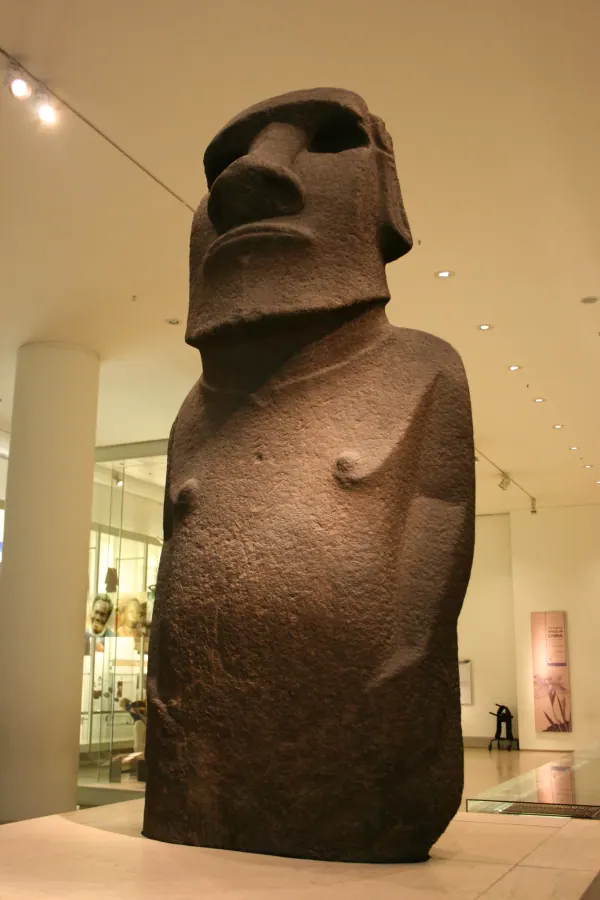
Hoa Hakananai’a
Room 24, Ground floor
Carved on Rapa Nui around 1000–1200, Hoa Hakananai’a is more than a monumental human figure. It came from the ceremonial village of Orongo and remains deeply significant to Rapa Nui people. Its presence in London also raises important questions about how sacred and ancestral objects entered European collections.
5 · 10 min
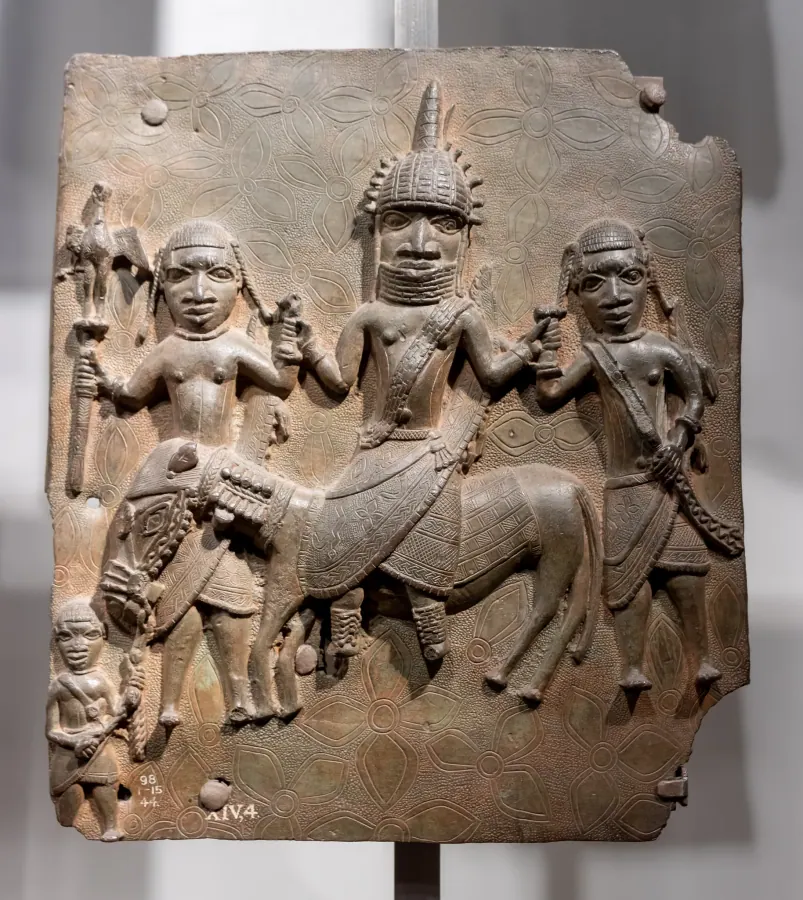
Benin Bronzes
Room 25, Ground floor
The Benin Bronzes preserve the history, ceremony and political order of the Kingdom of Benin through exceptional metalwork. They are also inseparable from the British military expedition of 1897, when Benin City was occupied and thousands of royal objects were looted and dispersed. Their display makes artistic achievement and colonial violence visible together.
6 · 10 min
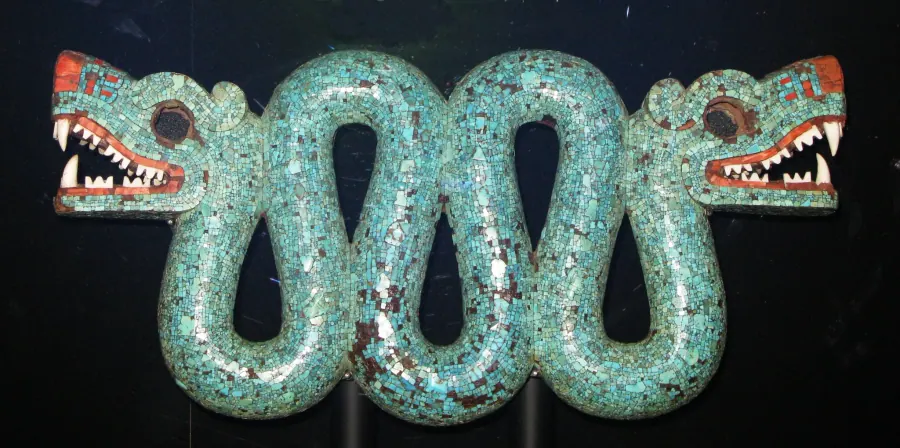
Double-Headed Serpent
Room 27, Ground floor
This double-headed serpent condenses Aztec ideas about power, transformation and the natural world into a dazzling ceremonial object. Roughly two thousand pieces of turquoise turn a carved wooden core into a continuous skin, showing how precious materials and specialised craftsmanship could transform regalia into sacred presence.
7 · 10 min
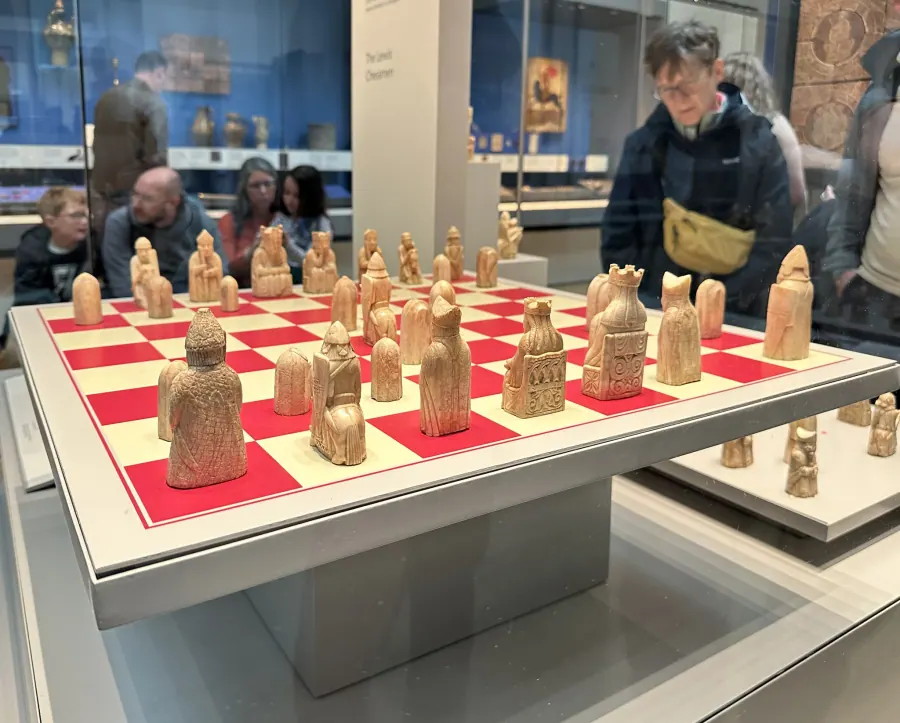
Lewis Chessmen
Room 40, Upper floor
The Lewis Chessmen turn a medieval game into a miniature court of kings, anxious queens, bishops, mounted knights and shield-biting warriors. Found on a Scottish island but probably carved in Norway, they reveal the close trade and cultural links that joined the North Atlantic world in the twelfth century.
8 · 10 min
Sutton Hoo Helmet
Room 41, Upper floor, display case 1, section A
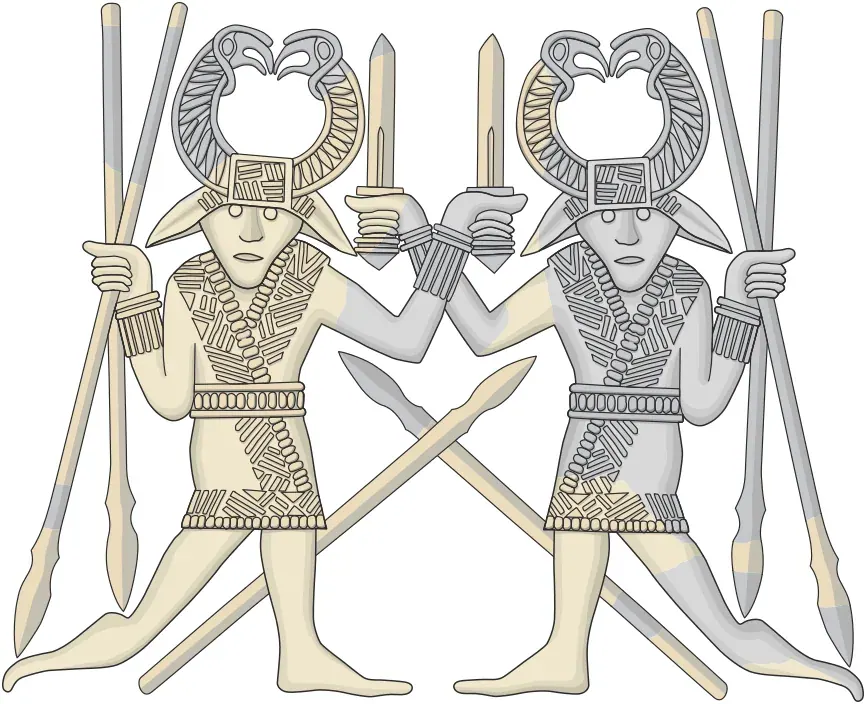
The Sutton Hoo helmet transformed understanding of early Anglo-Saxon England. Its complex construction, precious fittings and imagery belonged to an elite world connected across Europe and beyond, overturning the old idea that the centuries after Roman rule were culturally ‘dark’ or isolated.
9 · 10 min
Standard of Ur
Room 56, Upper floor
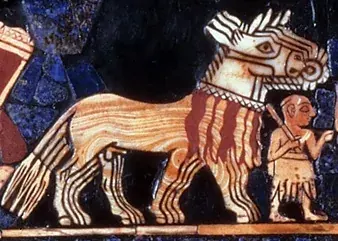
The Standard of Ur offers an unusually vivid picture of hierarchy, warfare, labour and feasting in a Mesopotamian city around 2500 BC. Its tiny figures organise an entire society into ordered registers, while imported lapis lazuli and meticulous mosaic work testify to Ur’s wealth and far-reaching connections.
10 · 10 min
Mummy of Katebet
Room 62, Upper floor, display case 21
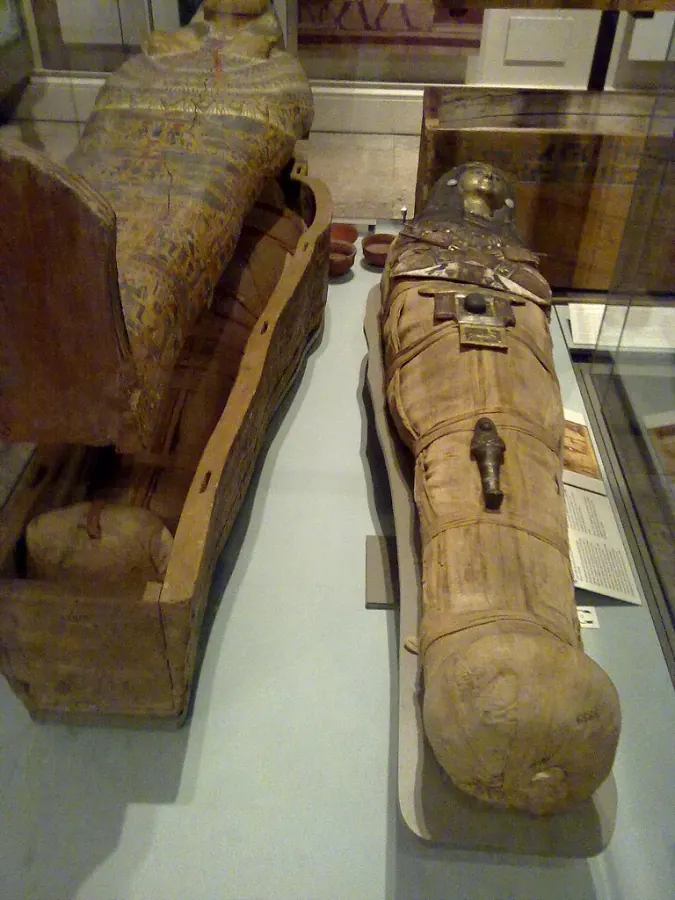
Katebet’s mummy preserves the identity of a woman who served as a Chantress of Amun at Karnak more than 3,300 years ago. The ensemble combines human remains, inscribed burial equipment and ritual objects, allowing us to consider both an individual life and Egyptian preparations for existence after death.
11 · 10 min
Portland Vase
Room 70, Upper floor
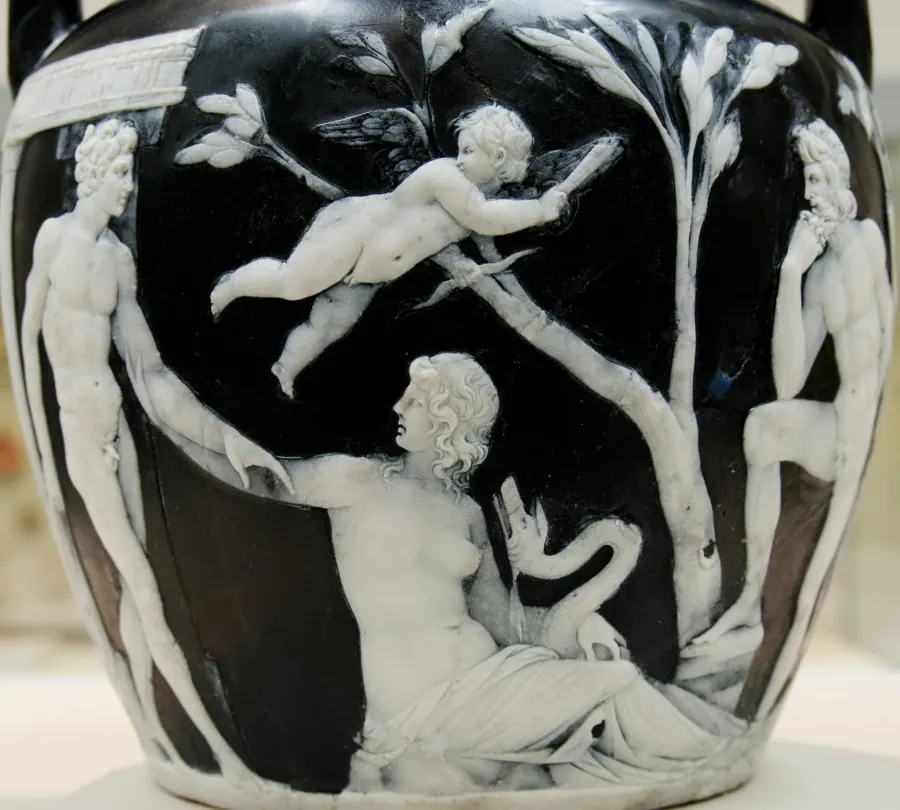
The Portland Vase is a masterpiece of Roman cameo glass and one of antiquity’s most influential vessels. Its white figures were carved from an outer glass layer to stand against a deep cobalt body, a feat that inspired generations of artists and manufacturers while its enigmatic scenes continue to resist a single interpretation.
12 · 10 min
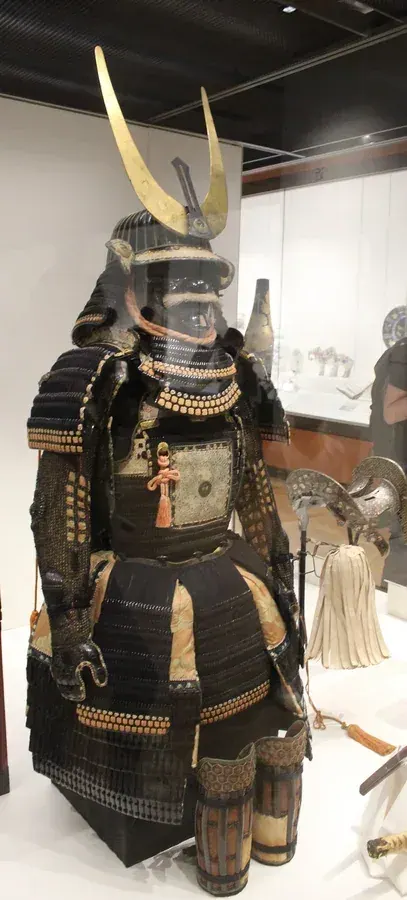
Samurai Armour
Room 93, Upper floor, display case 10
This matching suit made for the powerful Mori family shows that samurai armour was never only protective equipment. In the relative peace of the Edo period, lacquer, textile, metal and heraldic emblems projected lineage, authority and readiness, turning the armoured body into a carefully constructed public identity.
2 HOURS · 10 LANGUAGES · OFFLINE
Everything you need for a focused visit
Follow a curated route
Listen to the audio guide
Read descriptions in your language
Audio guide in your language
Works fully offline
Free to use
Available in 10 languages
How it works
- 1Download the guide
- 2Choose your language
- 3Keep track of your progress
- 4Start the 2-hour tour
- 5Follow each stop
- 6Listen and read in your language
NO SIGNAL? NO PROBLEM.
Works completely offline
After purchase, download the audio guide language you need. The route, written descriptions, progress and badges stay available inside the museum.
Frequently asked questions
Is the app free?
Yes. The app is free to download and use for the route and written guide. The audio guide is available as a one-time in-app purchase for 2.99 EUR.
Does it work offline?
Yes. The written guide stays available offline after installation. Audio can be downloaded by language after the 2.99 EUR in-app purchase.
Is it an official museum app?
No. This is an independently created visitor guide and is not affiliated with, endorsed by or sponsored by the museum unless explicitly stated.
How long does the tour take?
The curated route is designed to cover the essential highlights in about two hours, although you can pause or spend longer at any stop.
Do I need internet inside the museum?
No. The content needed for the visit is available offline, so poor reception or unavailable museum Wi-Fi will not interrupt the tour.
Does the app include audio?
Yes. Every stop can include audio. The written guide is free, while audio playback is unlocked with the 2.99 EUR in-app purchase.
Are descriptions and audio available in my language?
Yes. The written descriptions use the language selected in the app. After purchase, you can download the audio guide in any supported language.
Which languages are supported?
The guide supports English, Italian, French, Spanish, German, Portuguese, Dutch, Japanese, Chinese and Korean, including both text and audio.
British Museum
Ready to see the highlights?
Descriptions and audio guide in your language.